DIY Plumbing Fixes vs Hiring a Professional — What You Should Try Yourself and What You Shouldn’t
DIY Plumbing Fixes vs Hiring a Professional — What You Should Try Yourself and What You Shouldn’t
When a plumbing problem appears, many homeowners face an immediate decision: try to fix it themselves or call a professional plumber. Online tutorials, home improvement videos, and step-by-step guides make many repairs look simple and inexpensive. For small issues, a DIY approach can be tempting, especially when time and budget are top of mind.
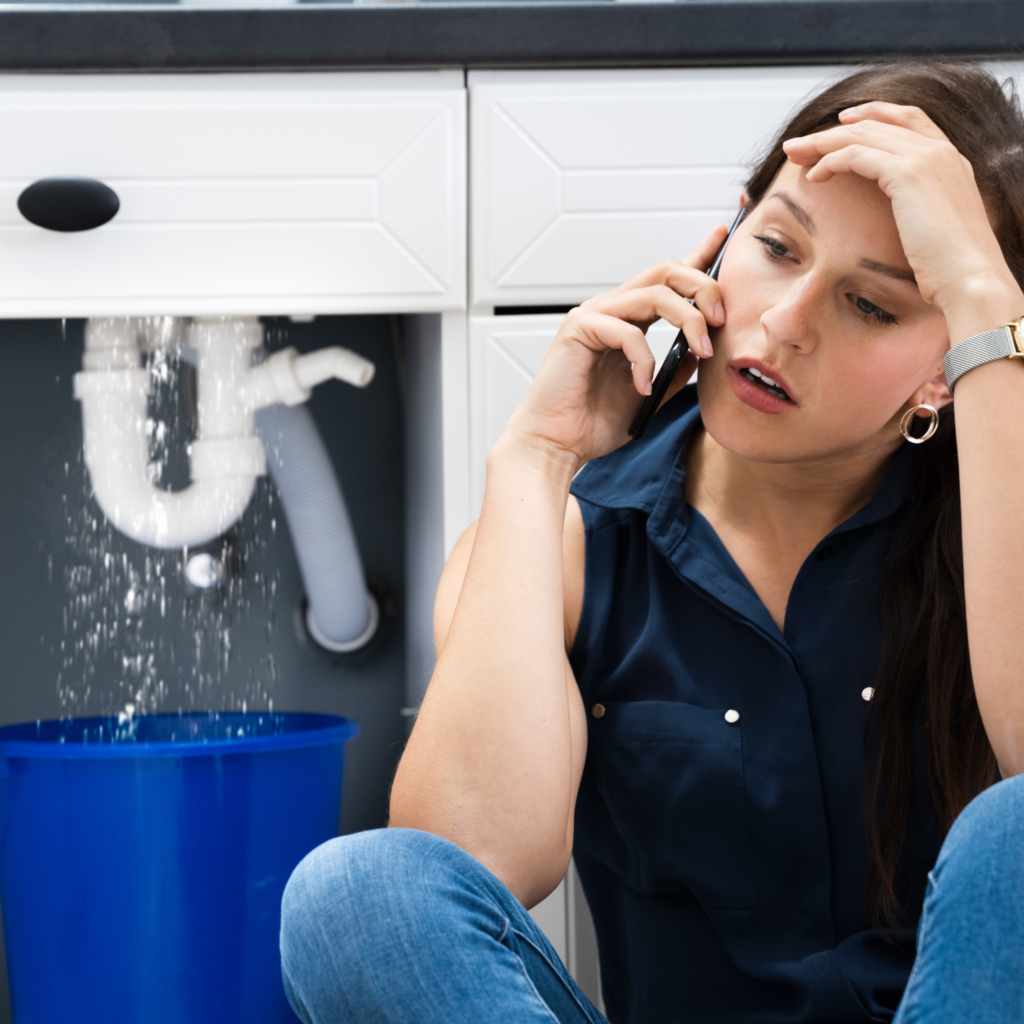
However, plumbing systems are more complex than they appear on the surface. What looks like a quick fix can easily turn into a larger problem if the underlying issue is misunderstood or if the repair is done incorrectly. Many emergency plumbing calls begin as DIY projects that went wrong.
Understanding which plumbing tasks are reasonably safe to handle on your own—and which ones are best left to professionals—helps homeowners protect their plumbing systems, avoid unnecessary damage, and make informed decisions when problems arise.
Plumber Finder USA helps connect homeowners, renters, and property managers with experienced plumbers nationwide who can step in when a problem goes beyond a simple fix.
Why DIY Plumbing Is So Appealing
DIY plumbing appeals to homeowners for several reasons. It promises immediate action without waiting for an appointment. It often appears less expensive than hiring a professional. And in many cases, the problem feels minor enough to handle independently.
Modern homes are filled with fixtures that seem straightforward. A dripping faucet, a running toilet, or a slow drain looks manageable with basic tools and a little guidance. When tutorials show quick success, it reinforces the belief that plumbing repairs are easier than they actually are.
The challenge is that plumbing systems rarely fail in isolation. A visible symptom often points to a deeper issue that DIY repairs are not designed to address.
Plumbing Problems That Are Often Safe for DIY Attempts
Some plumbing tasks are relatively low risk and can be handled safely by homeowners with basic tools and patience.
-
Replacing a worn faucet aerator to improve water flow
-
Tightening loose fittings under sinks when leaks are clearly visible and minor
-
Replacing a toilet flapper to address a running toilet
-
Clearing simple, surface-level clogs with a plunger
Why these tasks are usually manageable
These repairs involve accessible components, minimal disassembly, and low risk of causing widespread damage. If something goes wrong, the impact is usually limited and easily corrected. Even so, homeowners should proceed cautiously and stop if the issue does not resolve quickly.
Why “Simple” Plumbing Fixes Can Become Complicated
Many plumbing problems appear simple because the visible symptom is easy to identify. A slow drain looks like a clog. Low water pressure seems like a fixture issue. A small leak appears localized.
In reality, plumbing systems operate as interconnected networks. Fixing one component without understanding how it interacts with the rest of the system can create new problems. Tightening a fitting too much can crack a pipe. Using the wrong sealant can cause future leaks. Clearing a clog without removing buildup can lead to repeat blockages.
DIY fixes often treat symptoms, not causes.
Plumbing Problems That Should Always Be Left to Professionals
Some plumbing tasks carry significant risk and should not be attempted without professional training and equipment.
-
Pipe repairs or replacements behind walls, under floors, or underground
-
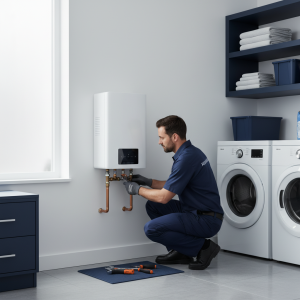
Water heater repairs, especially those involving gas or electrical components
-
Sewer line issues, including backups and foul odors
-
Recurring drain clogs that return despite repeated clearing
-
Hidden leaks, including slab leaks or leaks behind walls
Why these repairs are risky without experience
These issues often involve high water pressure, electricity, gas, or structural components. Improper repairs can cause flooding, fire hazards, health risks, or code violations. In many cases, the damage caused by a failed DIY attempt costs far more than professional service would have initially.
The True Cost of DIY Plumbing Gone Wrong
One of the biggest misconceptions about DIY plumbing is that it always saves money. While some minor fixes are inexpensive, failed DIY attempts often lead to higher costs.
Water damage spreads quickly and can affect flooring, walls, insulation, and electrical systems. Insurance claims may become complicated if damage is linked to improper repairs. Emergency service calls are typically more expensive than scheduled professional visits.
What begins as a cost-saving effort can turn into a costly restoration project.
How Professional Plumbers Approach Repairs Differently
Professional plumbers are trained to diagnose problems systematically. Rather than focusing only on the visible issue, they evaluate the entire system to understand why the problem occurred.
Plumbers use specialized tools such as camera inspections, pressure testing equipment, and professional-grade cleaning systems. These tools allow them to identify root causes and provide solutions that last.
Professional repairs are also performed according to local plumbing codes, which helps protect homeowners from future issues and ensures work meets safety standards.
When DIY Attempts Are Actually Helpful
DIY efforts are not always a bad idea. In some cases, basic troubleshooting helps homeowners identify the scope of a problem before calling a plumber. Clearing access to fixtures, documenting symptoms, and understanding when an issue began can help professionals work more efficiently.
Knowing what not to attempt is just as important as knowing what you can try safely.
How to Decide When It’s Time to Call a Plumber
If a plumbing issue persists after a basic fix, affects multiple fixtures, involves hidden pipes, or includes gas or electrical components, professional service is the safest choice.
Signs that it’s time to call a plumber include recurring problems, rising water bills, unexplained odors, visible water damage, or any situation where safety is a concern.
Acting early often prevents emergencies and reduces overall repair costs.
How to Find the Right Plumber for the Job
Not all plumbers specialize in the same types of repairs. Choosing the right professional matters.
Look for plumbers who offer:
-
Clear communication about repair options
-
Experience with the specific issue you’re facing
-
Proper licensing and insurance
-
Transparent pricing and positive customer reviews
Plumber Finder USA makes it easy to connect with qualified plumbers nationwide who can handle everything from routine repairs to complex system issues.
Balancing DIY Confidence With Professional Support
DIY plumbing has its place, but knowing when to stop is essential. Simple fixes can be empowering, but complex repairs require professional expertise. Balancing confidence with caution helps homeowners protect their plumbing systems and avoid unnecessary risks.
Professional plumbers don’t just fix problems—they help prevent future ones.
Get Reliable Help When It Matters Most
Plumbing problems don’t always wait for convenient moments. When an issue goes beyond a simple fix, professional help ensures safety, reliability, and long-term performance.
Plumber Finder USA helps homeowners and property managers find trusted plumbers near them who can resolve plumbing issues correctly the first time.
For additional insight, explore our related articles on recurring drain clogs, hidden plumbing leaks, and emergency plumbing services.
Are You a Plumber or HVAC Company?
Get your business listed on Plumber Finder USA and start receiving calls from homeowners in your area.