How Old Plumbing Pipes Affect Your Home’s Water Quality, Safety, and Reliability
How Old Plumbing Pipes Affect Your Home’s Water Quality, Safety, and Reliability
Most homeowners rarely think about the pipes hidden behind their walls, beneath their floors, or under their foundation. Plumbing systems are designed to work quietly in the background, delivering clean water and removing waste without much attention. As long as water flows when the faucet is turned on, it is easy to assume everything is fine.
The problem is that plumbing pipes do not last forever.
In many homes across the country, pipes installed decades ago are still in use today. While they may appear to function normally, aging pipes can quietly affect water quality, safety, and the overall reliability of the plumbing system. In some cases, the first sign of trouble is not discolored water or leaks, but subtle changes that go unnoticed until a major issue occurs.
Understanding how old plumbing pipes impact your home helps homeowners recognize risks early and make informed decisions about maintenance, repair, or replacement before problems escalate.
Plumber Finder USA helps connect homeowners, renters, and property managers with experienced plumbers nationwide who can evaluate aging plumbing systems and recommend solutions that protect both the property and the people living in it.
Why Aging Plumbing Pipes Are More Common Than You Think
Many homes still rely on plumbing materials that were considered standard decades ago. Depending on when a home was built, pipes may be made from galvanized steel, cast iron, copper, or early plastic materials. Each of these materials has a finite lifespan.
In older homes, pipes may be 40, 50, or even 70 years old. Over time, constant exposure to water, minerals, pressure changes, and temperature fluctuations takes a toll. Pipes corrode, joints weaken, and internal buildup reduces efficiency.
Because this deterioration happens slowly and out of sight, homeowners often remain unaware until a visible issue occurs. By that point, damage is usually more extensive.
Common Types of Older Plumbing Pipes and Their Risks
Different pipe materials age in different ways, and each comes with its own set of concerns.
-
Galvanized steel pipes corrode internally over time, restricting water flow and introducing rust into the water supply.
-
Cast iron pipes, often used for drain lines, deteriorate from the inside, leading to flaking, blockages, and eventual failure.
-
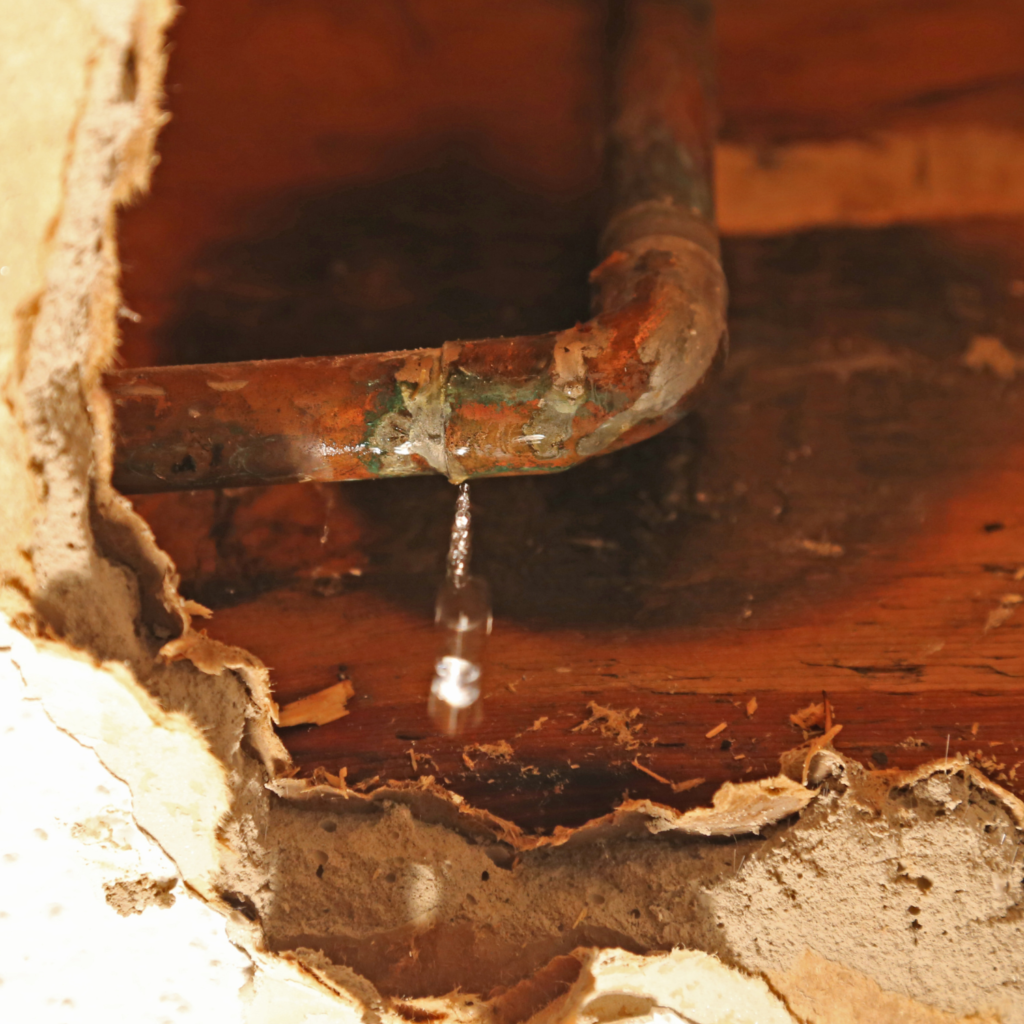
Older copper pipes may suffer from pinhole leaks due to corrosion or chemical reactions with certain water conditions.
-
Early plastic piping materials may become brittle or degrade due to age or exposure to heat and chemicals.
Why material matters more as pipes age
As pipes deteriorate, their ability to deliver clean, safe water decreases. Internal corrosion narrows the pipe diameter, reducing pressure and allowing sediment to accumulate. Joints and fittings become more vulnerable to leaks, increasing the risk of water damage.
How Old Pipes Affect Water Quality
One of the most concerning impacts of aging pipes is the effect on water quality. As pipes corrode or degrade, particles from the pipe material can enter the water supply.
Homeowners may notice discolored water, metallic tastes, or sediment in sinks and tubs. In some cases, water may appear cloudy or develop an unusual odor. These changes are often dismissed as temporary or attributed to municipal supply issues, but aging pipes are frequently the cause.
Why this matters for health and daily use
Poor water quality affects more than taste. Sediment and corrosion can impact appliances, clog fixtures, and reduce the effectiveness of water filtration systems. In severe cases, contaminants from deteriorating pipes may pose health risks, especially for children, elderly individuals, or those with compromised immune systems.
Low Water Pressure and Inconsistent Flow
A common symptom of aging plumbing pipes is declining water pressure. As corrosion builds up inside pipes, the internal diameter shrinks. This restriction reduces water flow to fixtures throughout the home.
-
Faucets may take longer to fill sinks or tubs
-
Showers may feel weak or inconsistent
-
Appliances may struggle to operate efficiently
Why pressure problems worsen over time
Low pressure caused by aging pipes rarely stabilizes. Corrosion continues to accumulate, further restricting flow. In many cases, homeowners adapt to lower pressure without realizing the plumbing system is gradually failing.
Increased Risk of Leaks and Pipe Failure
As pipes age, they become more vulnerable to leaks and bursts. Corrosion weakens pipe walls, making them less able to withstand normal water pressure. Temperature changes and pressure fluctuations place additional stress on already compromised materials.
Small leaks may develop behind walls or under floors, remaining hidden for long periods. Over time, these leaks cause water damage, mold growth, and structural issues.
Why older pipes fail without warning
Unlike newer materials, aging pipes often fail suddenly. A pipe that has appeared stable for years may rupture unexpectedly once corrosion reaches a critical point. This unpredictability makes proactive evaluation especially important.
Why DIY Fixes Are Not Enough for Aging Pipes
Temporary repairs may stop visible leaks, but they do not address the underlying condition of aging pipes. Patching one section often shifts pressure to other weakened areas, increasing the risk of additional failures.
Without professional evaluation, homeowners may underestimate how widespread pipe deterioration has become.
How Professional Plumbers Evaluate Aging Plumbing Systems
Professional plumbers assess aging plumbing systems by examining pipe material, age, water quality indicators, pressure levels, and signs of corrosion or buildup. Camera inspections may be used to view the interior condition of pipes, especially drain lines.
This evaluation allows plumbers to determine whether targeted repairs are sufficient or if partial or full repiping is the safer long-term solution.
Repair vs Repiping: Understanding Your Options
When aging pipes begin causing problems, homeowners often face a decision between ongoing repairs and repiping.
-
Repairs may address isolated leaks or issues in newer sections of the system.
-
Repiping replaces aging materials entirely, restoring reliability, pressure, and water quality.
Why repiping is sometimes the better investment
While repiping requires a higher upfront cost, it often eliminates recurring repair expenses, reduces the risk of emergencies, and improves overall system performance. Modern piping materials are designed to last longer and resist corrosion more effectively.
When to Call a Professional About Old Pipes
Professional evaluation is recommended if you notice discolored water, persistent low pressure, frequent leaks, unusual tastes or odors, or if your home has plumbing systems several decades old.
Early assessment allows homeowners to plan upgrades rather than react to emergencies.
How to Find the Right Plumber for Aging Pipe Issues
Aging plumbing systems require experience and careful planning. Look for plumbers who offer:
-
Experience with repiping and pipe replacement
-
Diagnostic tools such as camera inspections
-
Clear explanations and long-term planning guidance
-
Transparent pricing and strong customer reviews
Plumber Finder USA helps connect homeowners with vetted plumbers nationwide who specialize in evaluating and upgrading aging plumbing systems.
Protect Your Water, Your Home, and Your Peace of Mind
Old plumbing pipes affect far more than water flow. They influence water quality, safety, reliability, and long-term maintenance costs. Addressing aging pipes proactively helps protect your home and avoid unexpected failures.
With professional evaluation and proper upgrades, homeowners can restore confidence in their plumbing systems and enjoy cleaner, more reliable water.
For additional insight, explore our related articles on low water pressure, hidden plumbing leaks, and water quality concerns.
Are You a Plumber or HVAC Company?
Get your business listed on Plumber Finder USA and start receiving calls from homeowners in your area.